What Are Dental Crowns?
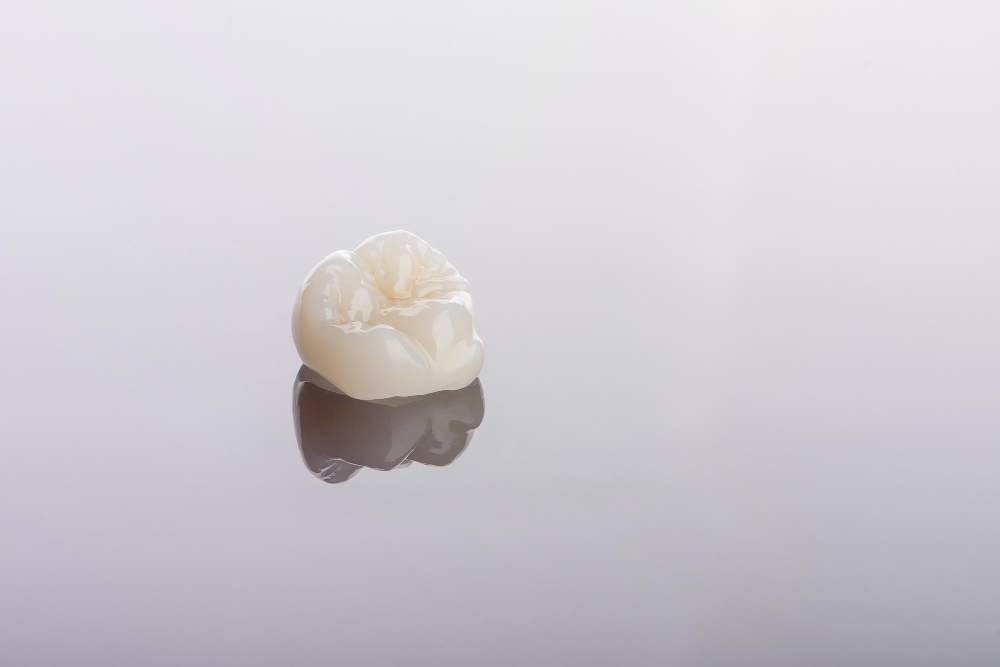
Dental crowns are tooth-shaped covers placed over damaged teeth. They help restore the tooth’s shape, size, and strength. Often, dentists use crowns when a tooth is weak, broken, or needs extra support. For example, if you have a large cavity, a crown can protect the tooth. According to the American Dental Association, crowns are a common way to save teeth and improve smiles.
Types of Dental Crowns
There are several types of dental crowns. Each type has its own benefits and uses. Choosing the right crown depends on your needs and your dentist’s advice. Below are the main types of dental crowns:
Because each type of dental crown offers unique features, your dentist will help you decide which is best for you.
Benefits of Dental Crowns
Dental crowns offer many benefits for people with damaged teeth. Not only do they restore function, but they also improve appearance. Here are some key benefits of dental crowns:
Additionally, crowns can help you chew and speak more easily. For many people, this means better comfort and confidence.
How Dental Crowns Protect Damaged Teeth
Dental crowns protect teeth in several ways. First, they act as a strong shield over the damaged tooth. This helps prevent further cracks or breaks. When a tooth has a large filling or root canal, it can be weak. In these cases, a crown gives extra support. As a result, the tooth can last longer and stay healthy.
Furthermore, dental crowns keep bacteria out. This lowers the risk of infection or decay. By covering the whole tooth, crowns also help keep your bite even and comfortable.
The Dental Crown Procedure: Step-by-Step
Getting a dental crown usually takes two visits. Here is a step-by-step overview of the dental crown procedure:
Because the process is simple, most people feel little discomfort. Your dentist will explain each step and answer any questions.
Caring for Dental Crowns
Proper care helps dental crowns last longer. While crowns are strong, they still need good oral hygiene. Here are some tips for caring for dental crowns:
With these habits, your dental crown can last many years. If you notice pain or the crown feels loose, contact your dentist right away.
Potential Risks and Considerations
Although dental crowns are safe, there are some risks to consider. Sometimes, a crown may feel sensitive after placement. This usually goes away in a few days. Rarely, the crown may chip or come loose. If this happens, your dentist can repair or replace it.
In some cases, the tooth under the crown can still get a cavity. Therefore, good oral care is important. Allergic reactions to crown materials are rare but possible. Your dentist will discuss any concerns before treatment.
Frequently Asked Questions About Dental Crowns
For more information, Connect with a specialist to understand the next best step.
.